Writing
Higher education reform, literary analysis, mycology, and abundance
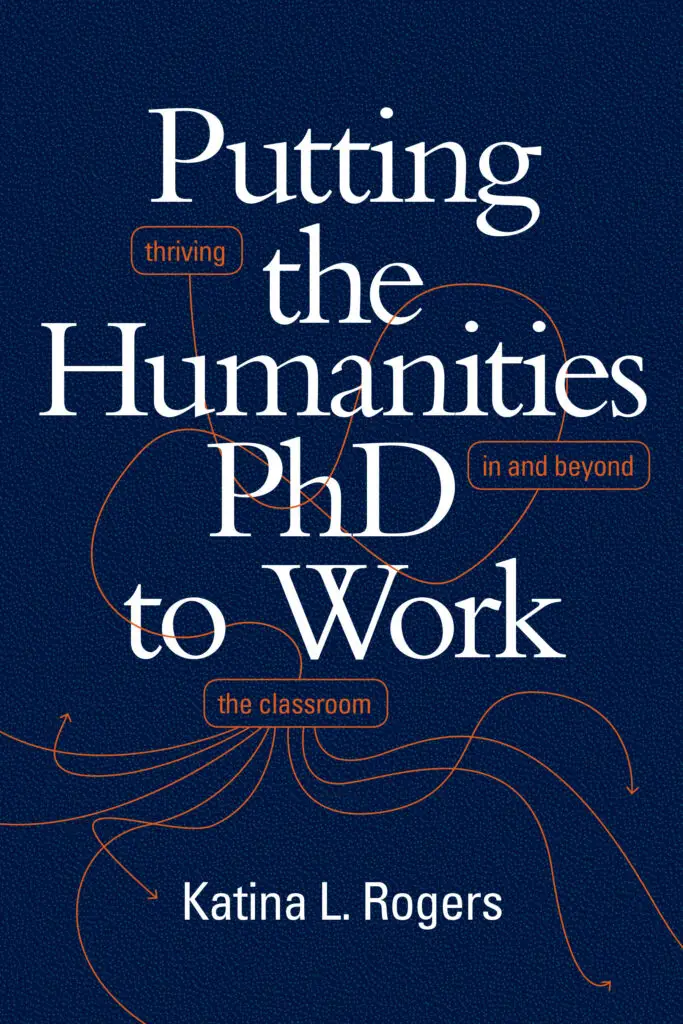
Unexpected Flourishing: Growth from Decay in the Mycelial University
This work uses fungal ecology as a framework for examining possibilities within higher education. It explores how adopting different value structures focused on abundance, sustenance, and joy could transform academic communities.
Key concepts include mycelium (underground fungal structures), mycorrhizal networks (multispecies nutrient-transfer webs), and mycorenewal (ecosystem regeneration processes)—applied to themes of interdependence, coalition building, and collective thriving in academia.
The Presence of Absence: Meditations on the Unsayable in Writing
This book examines how writers use image, sound, and structure to express the ineffable. It features close readings across multiple languages and disciplines including poetry, photography, and literary theory.
Texts analyzed include Nox by Anne Carson, Quelque chose noir by Jacques Roubaud, Wayward Lives, Beautiful Experiments by Saidiya Hartman, and Le livre des questions by Edmond Jabès. Themes explored include loss, knowledge, beauty, and higher education through the lens of absence and presence.
Putting the Humanities PhD to Work: Thriving in and beyond the Classroom
This book provides practical career advice grounded in a nuanced consideration of the current academic workforce landscape, based on surveys, interviews, and personal experience.
Focus areas include career preparation practices, admissions practices, scholarly reward structures, and academic labor practices and contingent labor issues. Written for graduate students and humanities department decision-makers.